

Politics is a central aspect of human society, shaping the way people live, interact, and govern themselves. It encompasses the processes, principles, and systems that determine how power is distributed and exercised within a community, state, or organization. From ancient civilizations to modern democracies, politics has played a crucial role in addressing societal needs and resolving conflicts.
The origins of politics can be traced back to the earliest human communities, where informal decision-making processes governed group activities. As societies grew more complex, political structures evolved to manage resources, maintain order, and resolve disputes. Ancient civilizations such as Mesopotamia, Egypt, and Greece laid the foundation for modern political systems by introducing codified laws, administrative institutions, and philosophical ideas about governance.
In ancient Greece, political philosophy flourished with thinkers like Plato and Aristotle, who explored concepts such as justice, democracy, and the role of the state. Rome further advanced political organization through its republic and later imperial systems, influencing the development of legal and administrative frameworks.
At its core, politics revolves around power, authority, and governance. Key principles of politics include:
Political systems vary widely across the world, reflecting cultural, historical, and social differences. Common types include:
Politics plays a critical role in addressing societal challenges and fostering progress. It shapes economic policies, healthcare systems, education, and environmental protection. Political decisions influence individuals' daily lives, from taxation and employment opportunities to access to public services.
Internationally, politics facilitates cooperation and conflict resolution among nations. Organizations like the United Nations, the European Union, and the African Union work to address global issues such as climate change, security, and human rights.
Despite its importance, politics often faces criticism and challenges. Corruption, polarization, and misinformation can undermine trust in political systems and leaders. Additionally, inequalities in wealth, education, and representation can limit individuals' participation and perpetuate social injustices.
Technological advancements and globalization have introduced new complexities to politics. Social media, for example, has transformed political communication, enabling greater engagement but also spreading misinformation and amplifying divisions. Cybersecurity threats and election interference further highlight the need for robust political systems.
Women have historically been underrepresented in politics, but progress has been made in recent decades. Efforts to promote gender equality, such as quotas and advocacy campaigns, have increased women's participation in political leadership roles. Notable female leaders, such as Angela Merkel, Jacinda Ardern, and Kamala Harris, demonstrate the vital contributions of women in shaping policies and governance.
Younger generations are increasingly involved in politics, advocating for issues such as climate change, social justice, and technology regulation. Youth-led movements, such as Fridays for Future and Black Lives Matter, highlight the power of activism in driving political change. Encouraging youth participation is essential for fostering inclusive and dynamic political systems.
The future of politics will be shaped by evolving technologies, demographic shifts, and global challenges. Artificial intelligence, blockchain, and big data have the potential to enhance political decision-making and transparency, but they also raise ethical concerns about privacy and accountability.
Climate change, migration, and economic inequality will require innovative political solutions and international cooperation. Strengthening democratic institutions, promoting inclusivity, and fostering global solidarity will be crucial for addressing these challenges.
Politics is an essential component of human society, reflecting our values, aspirations, and struggles. It provides the framework for governance, conflict resolution, and collective progress. While challenges persist, the pursuit of justice, equality, and accountability remains central to political systems.
As we navigate an increasingly interconnected world, the role of politics in shaping our future cannot be underestimated. By embracing innovation, inclusivity, and cooperation, we can create a political landscape that reflects the best of humanity's potential.
Liberté, Égalité, Fraternité
Le paysage politique français est riche et diversifié, structuré autour de plusieurs grandes familles politiques : la gauche (socialiste, écologiste, radicale), le centre (macroniste), la droite (républicaine, conservatrice) et l'extrême droite (nationaliste, souverainiste). La vie politique est marquée par une fragmentation croissante et des recompositions régulières.
Fondé en 2016 par Emmanuel Macron, le mouvement "La République En Marche !" (LREM) a été rebaptisé "Renaissance" en 2022. Il incarne un courant centriste, pro-européen et réformateur. Il est la principale force de la majorité présidentielle, allié au MoDem (Mouvement démocrate) et à Horizons.
Héritier du gaullisme et de l'UMP, Les Républicains (LR) représentent la droite républicaine, conservatrice et libérale. Le parti traverse une période de recomposition après des élections internes disputées et une perte d'influence face à l'extrême droite et au macronisme.
Le Rassemblement National (ex-Front National) est le principal parti d'extrême droite en France, porté par un discours nationaliste, anti-immigration, eurosceptique et social-populiste. Il est devenu la première force d'opposition à l'Assemblée nationale après les législatives de 2024.
Le Parti Socialiste, héritier de la SFIO et du mouvement ouvrier, est le principal parti de la gauche sociale-démocrate. Après avoir connu une crise majeure suite au quinquennat de François Hollande, il tente de se reconstruire et participe à la coalition du Nouveau Front Populaire.
La France Insoumise est un mouvement de gauche radicale, écologiste et républicain, fondé en 2016 par Jean-Luc Mélenchon. Il est la principale force de la coalition du Nouveau Front Populaire et se caractérise par un discours anti-libéral, souverainiste et de rupture avec les institutions.
Europe Écologie Les Verts (EELV), désormais "Les Écologistes", est le principal parti écologiste français. Il allie écologie politique, social-démocratie et régionalisme. Il est membre de la coalition du Nouveau Front Populaire.
Le groupe GDR rassemble à l'Assemblée nationale les députés du Parti communiste français (PCF), des mouvements ultramarins et de la gauche radicale. Il incarne une gauche souverainiste et sociale, attachée aux services publics.
L'Europe politique est riche et variée : sociaux-démocrates, conservateurs, écologistes, libéraux, souverainistes et populistes structurent la vie démocratique de chaque nation. Voici une sélection des principaux partis par pays.
 Allemagne
 Autriche
 Belgique
 Bulgarie
 Croatie
 Danemark
 Espagne
 Estonie
 Finlande
 Grèce
Grèce Hongrie
 Irlande
 Islande
 Italie
 Lettonie
 Lituanie
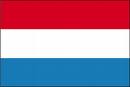 Luxembourg
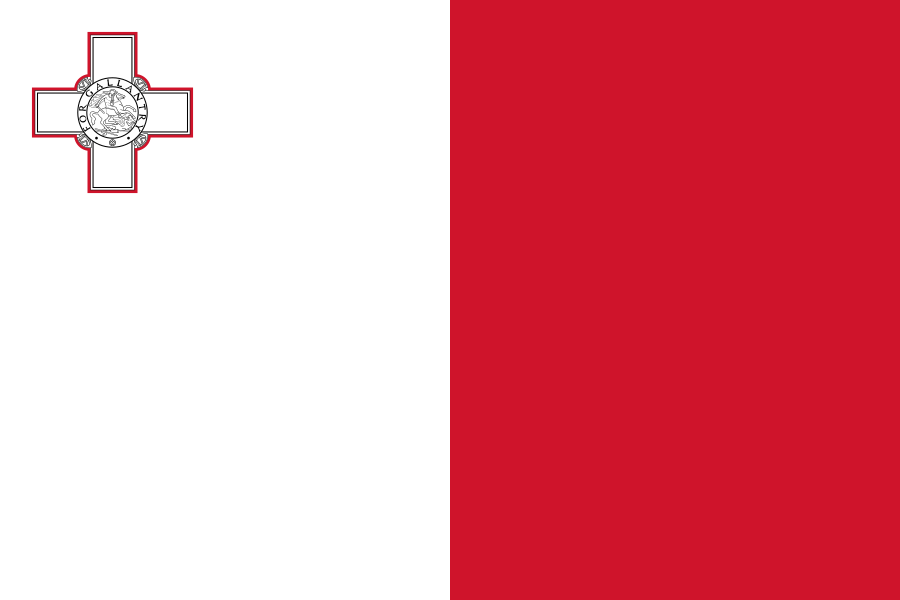 Malte
Malte Norvège
 Pays-Bas
 Pologne
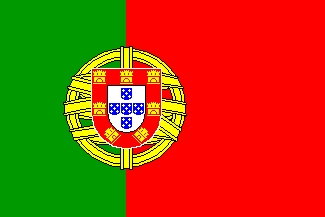 Portugal
 Roumanie
 Royaume-Uni
 Serbie
 Slovaquie
 Slovénie
 Suède
Suède Suisse
 République tchèque
 Ukraine
 Russie
 États-Unis


